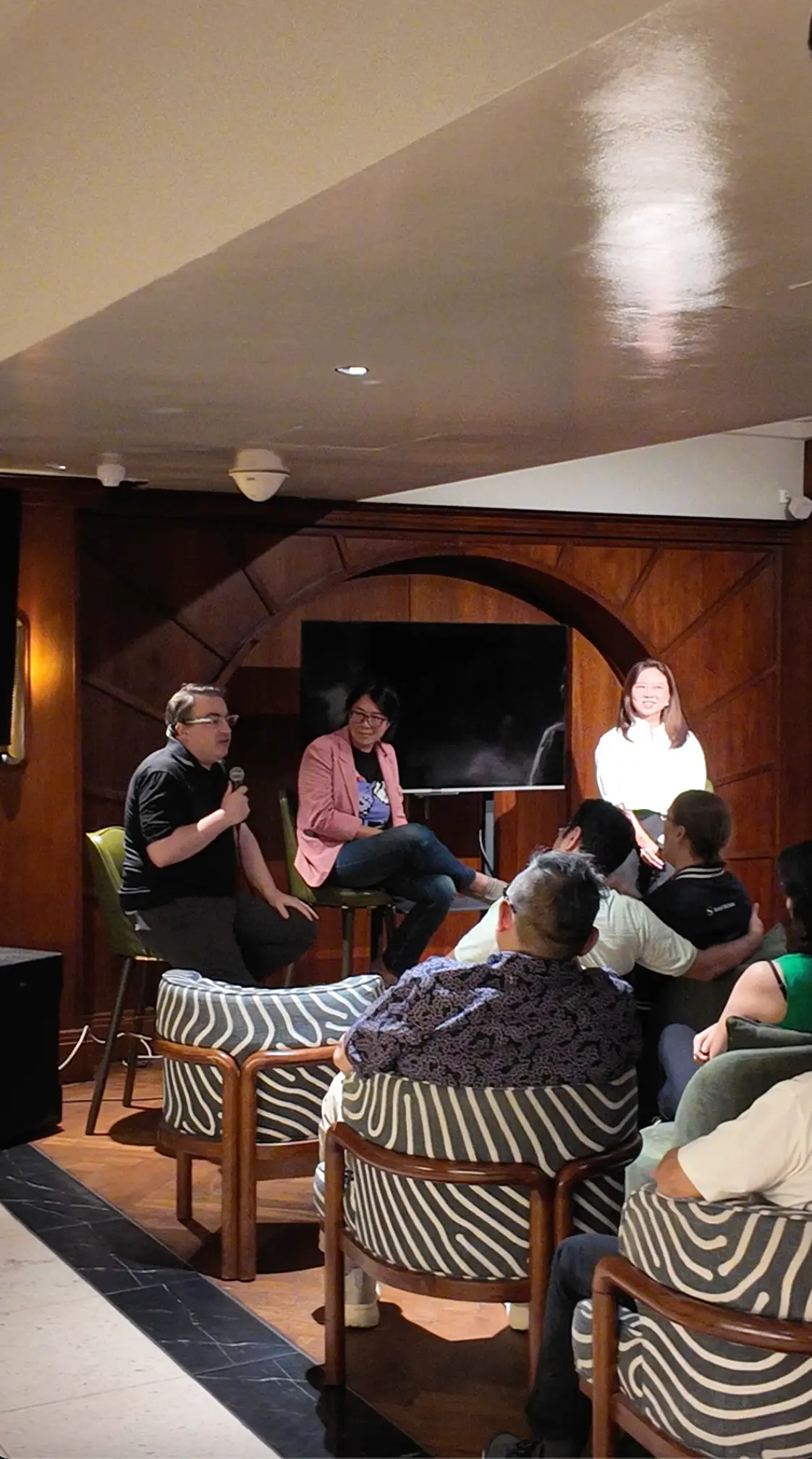
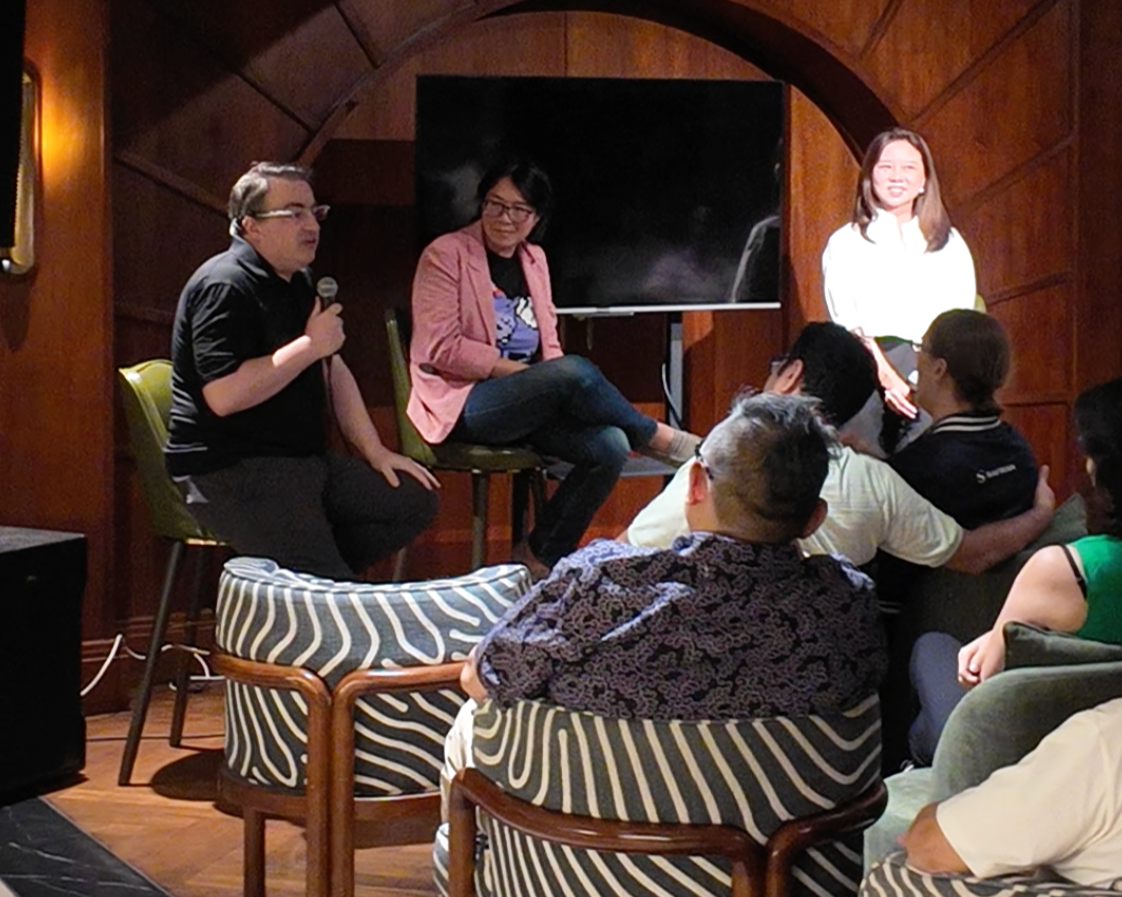
The conversation last July 9, 2026, at the Mandala Club Singapore wasn't about whether artificial intelligence (AI) is "good" or "bad." That debate feels increasingly outdated.
Instead, the discussion explored deeper questions such as
“How can technology give clinicians more time with patients?”
“How can it help detect disease earlier?”
“How can healthcare become more personalized without losing the humanity that makes it, fundamentally, healthcare?”
These questions were the basis of a thoughtful conversation between Adjunct Associate Professor Sue-Anne Toh, Senior Consultant, Endocrinology and NOVI Health Founder, Chief Executive Officer & Medical Director, and Georg Zoeller NOVI Health Chief Technology Officer. The event was moderated by Shiyan Koh.
The conversation that emerged wasn't a clash between medicine and technology, but a shared vision of how the two can work together. The discussion arrived at a simple but powerful conclusion: Perhaps the core question isn't whether AI can help us live longer. It's whether it can help us live better, for longer. And that distinction changes everything.
Healthspan… not immortality
Conversations around AI are often at the extreme ends of the spectrum. There are those who believe that it will revolutionize medical practice at an incredibly rapid pace. Others dismiss it as another wave of technological hype.
Not surprisingly, reality is a bit more nuanced.
While medicine has become more successful at extending lifespan, the next challenge is to extend healthspan (the years we remain healthy, independent and able to enjoy life without the burden of chronic disease.)
Aging remains one of biology’s most complex problems, so it is unlikely that AI will solve aging itself within the next decade. What AI can do, however, is help recognize risks earlier, personalize care more precisely, and support healthier decisions before the disease becomes apparent.
Earlier detection changes outcomes
Many major diseases don't appear overnight. Cardiovascular disease, type 2 diabetes and many cancers often develop silently for years before symptoms emerge. So the opportunity is in identifying the earliest signals that something is changing before the disease manifests, not in finding better treatments.
With AI’s ability to analyze vast amounts of clinical data, from biomarkers and imaging to electronic health records and wearable devices, it has the capability to identify patterns that would otherwise be difficult to detect. Rather than replacing clinical expertise, AI gives clinicians another set of eyes.
Healthcare shouldn't happen once a year
Sleep, nutrition, physical activity, stress and blood glucose fluctuate continuously, yet healthcare often captures only occasional snapshots during annual screenings or brief clinic visits.
Wearables, continuous glucose monitors and other connected devices are already generating a wealth of health data, but the greater challenge is in turning all that information into meaningful action.
AI helps connect the dots, identifying trends that might otherwise be missed and providing clinicians with a more complete picture of a person's health between appointments. That shift, from episodic care to continuous care, may prove just as important as any individual breakthrough.
Supporting behavior between appointments
After more than two decades in medicine, Dr Sue-Anne Toh has seen where healthcare systems often struggle: Appointments are short, follow-ups can be infrequent, patients are frequently left to make complex health decisions on their own once they leave the clinic.
Most of what determines our long-term health isn't what happens during a consultation, but what happens afterward like the meals we choose, whether we move enough, how we sleep, or how we manage stress. AI won't replace clinicians in helping patients change behavior, but it can reinforce healthy habits every day, providing guidance, reminders and personalized insights at a scale no healthcare system could otherwise achieve.
That means patients receive support not only when they're unwell, but throughout the everyday moments where health is actually built.
More technology makes humanity more important
Surprisingly, one of the strongest themes of the evening was perhaps the least technological. As AI becomes more capable, the uniquely human aspects of medicine become even more valuable.
Patients don't simply want accurate diagnoses. Rather, they want to be understood. Receiving difficult news isn't just about interpreting test results, but it’s about empathy, reassurance and trust.
Medicine is filled with uncertainty, nuance and difficult trade-offs that cannot be solved through algorithms alone. Clinical judgment, ethical decision-making and shared conversations between doctor and patient remain fundamentally human responsibilities.
Likewise, accountability cannot be outsourced.
When difficult decisions need to be made, or when outcomes don't go as hoped, patients don't expect an AI system to sit beside them and explain what happened. They expect their doctor to be there.
Innovation needs evidence, not hype
Another recurring message throughout the discussion was the importance of evidence. Notably, not all impressive AI demonstrations translate into meaningful improvements in patient care. An algorithm that performs well in a research paper isn't necessarily ready for everyday clinical practice as healthcare demands something more rigorous.
Technology must prove it can improve outcomes across diverse populations, integrate safely into clinical workflows and genuinely help both patients and clinicians.
The future is human with AI
Perhaps the biggest misconception is framing healthcare as a choice between humans and machines. It’s not, because the future is not doctors versus AI. Nor is it healthcare delivered entirely by algorithms.
The most compelling vision is one where technology removes administrative burden, detects risk earlier and provides continuous support, allowing clinicians to spend more time doing what only humans can do such as listening, understanding, and helping patients navigate deeply personal decisions about their health, among others.
As the conversation at Mandala Club demonstrated, the future of healthcare won't be built by technology alone. It will be built by clinicians, engineers, researchers and patients working together with curiosity, evidence and humility.
AI simply needs to make doctors better at what they already do best.