Medically reviewed by Dr Todd On, Associate Consultant, Family Physician, MBBS, GDFM, MMED (FM), MCFP (S)
Key takeaways
- Strong social relationships belong beside sleep, exercise and diet in a long-term health picture.
- The research shows an association, not a promise, and it does not mean being alone is a personal failing.
- Small, regular contact counts. A ten-minute call or a walk together is a real step.
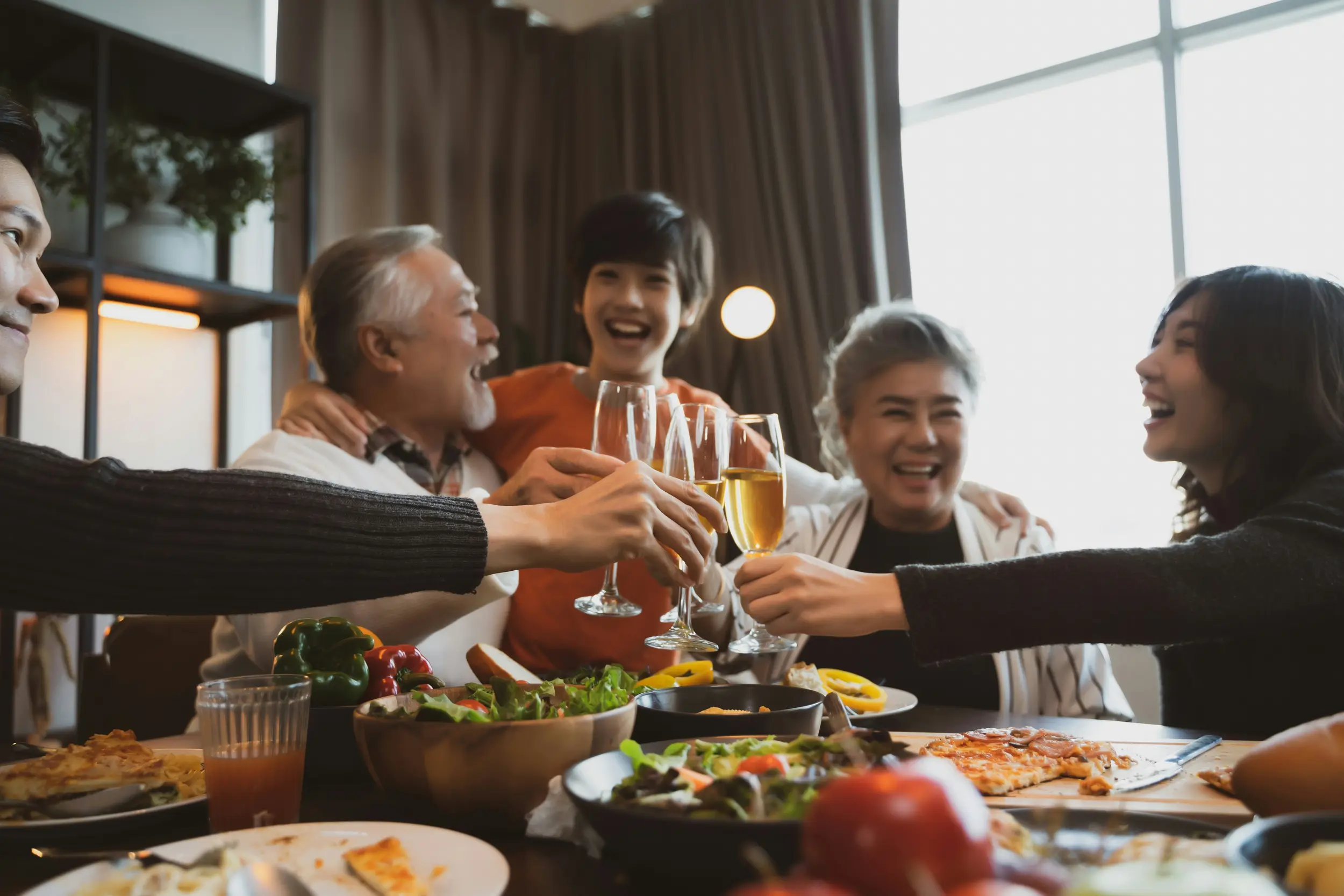
When people talk about living well for longer, the conversation often turns to sleep, exercise and diet. Relationships belong on that list too.
That does not mean you need a bigger social life. It means the people in your life matter to your health, and a busy December is a good time to notice that.
What does the research say about relationships and health?
A meta-analytic review pooled 148 studies and 308,849 people, most followed over time to look at how individuals’ social relationships are linked to morbidity and mortality. People with stronger social relationships were 50% more likely to survive compared to those with weaker social relationships.. In plain terms, by the time half of a group of 100 people had died by the end of follow-up, about five more would still be alive in the group with stronger relationships compared to those with weaker relationships
These studies observe people over time and the associations of the strength of relationships to peoples’ mortality. However they cannot directly prove that relationships cause longer life.
The World Health Organization points the same way. Its 2025 Commission on Social Connection linked loneliness to an estimated 871,000 deaths a year and found that about one in six people worldwide is affected by it. This too is an association.
Is feeling lonely a sign something is wrong with me?
No. Loneliness is a common human experience, and one in six is a lot of people. It can follow a move, a loss, a change at work, or a season full of other people’s plans. It can happen in a crowded room. Feeling it says nothing about your worth.
How can I make connections part of a normal week?
Think small and regular, not big and rare.
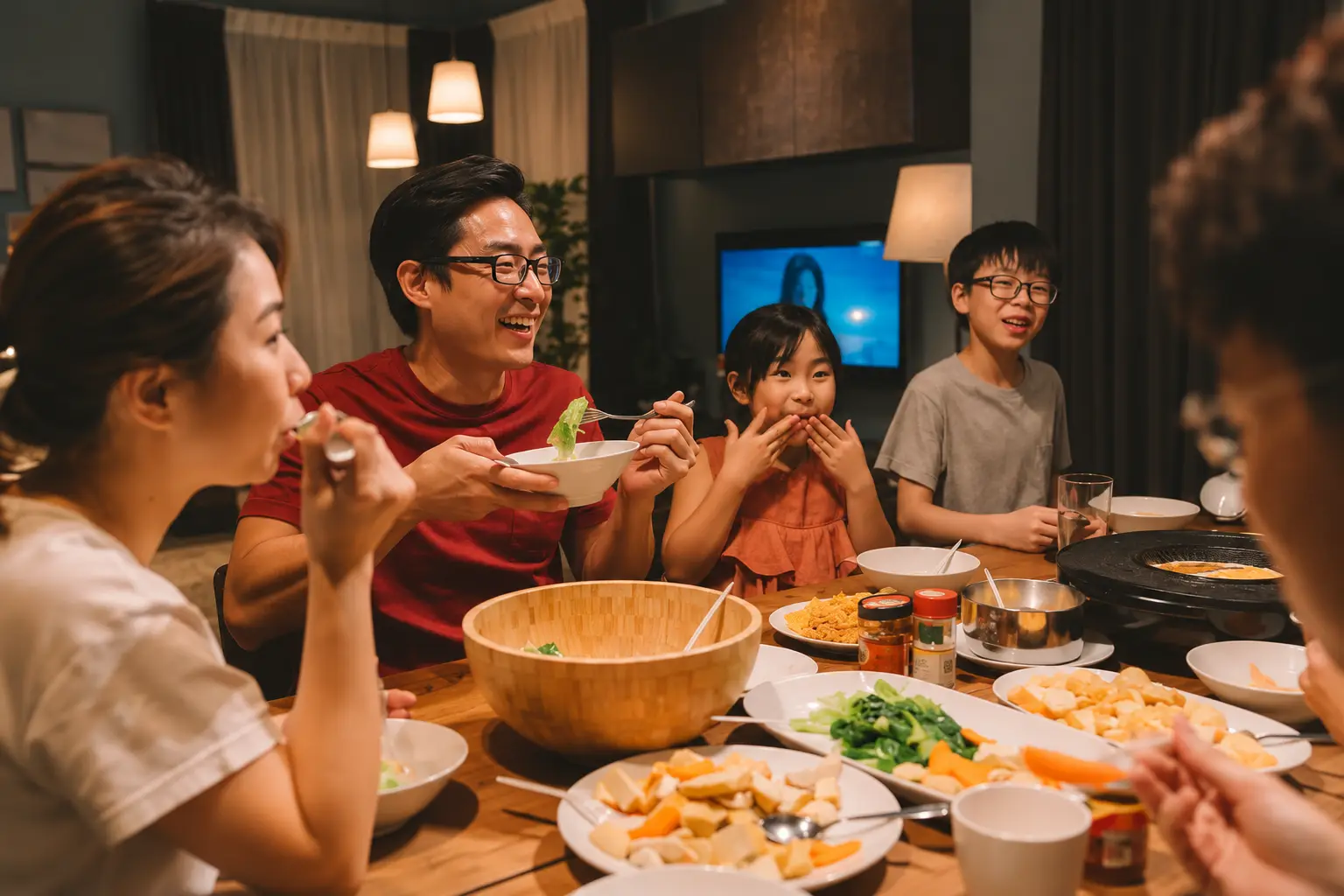
A ten-minute phone call counts. So does a voice note, a shared meal or a walk with a friend or family member. Walking together gives you both, and some physical activity is better than none. Habits tend to form through repeating something in the same setting. Attach the call to something you already do, like the walk home or a Sunday afternoon.
How you phrase the goal matters too. In a trial of 1,066 people looking at their New Year’s resolutions, 58.9% of those with approach-oriented goals reported success at one year, compared with 47.1% of those with avoidance-oriented goals. “Call my sister on Sundays in this upcoming new year” is an approach-oriented goal. “Stop being out of touch in this upcoming new year” is an avoidance-oriented goal which is less successful..
What if reaching out feels hard? I feel low.
Low energy makes everything harder, including saying hello.
Start smaller. A message that says “thinking of you” asks for nothing back.
If you have felt low for a while, or things feel heavier than a rough patch, it is okay to talk to a doctor or a counsellor. In Singapore, the National Mindline 1771 is open 24 hours by phone (1771), WhatsApp (6669 1771) and webchat. But if you are having thoughts of self-harm and suicide, do reach out to Samaritans of Singapore’s 240hour helpline at 1-767 (1-SOS) or CareText.
Recommended Reading: The Importance of Social Connections for Health Longevity
What can I do this week?
Pick one person. Pick one way to reach them. Put it somewhere you will see it, such as a reminder on your phone or a note on the fridge.
If you are hosting or going to a gathering, you might notice who is quiet and ask them how they are. If you are on your own, a short message to someone you have lost touch with counts as a gathering of two.
If loneliness or low mood has been with you for a while, ask your doctor what support is available. You do not have to wait for a crisis.
Looking after your health includes making room for people. Reaching out, and asking for help when you need it, are both part of that.
Longevity is about more than the numbers in your health report. It also means looking after your emotional wellbeing, nurturing meaningful relationships and understanding what your body needs as you age.
At NOVI, our Longevity programs bring together more than 100 biomarkers and doctor consultations to help you better understand your health and identify areas worth focusing on. Because living well for longer means caring for the whole picture.
This article is general educational information, not personal medical advice. If you are struggling, please talk to your doctor or a support service.
About Dr. Todd On
Dr. Todd On, an Associate Consultant and Family Physician with 16 years of experience in tertiary and community care, specializes in person-centered treatment for acute and chronic conditions. He has led quality initiatives in smoking cessation and diabetic care and is an award-winning clinical tutor at the College of Family Physicians Singapore.