
The complete science of movement and glucose clearance
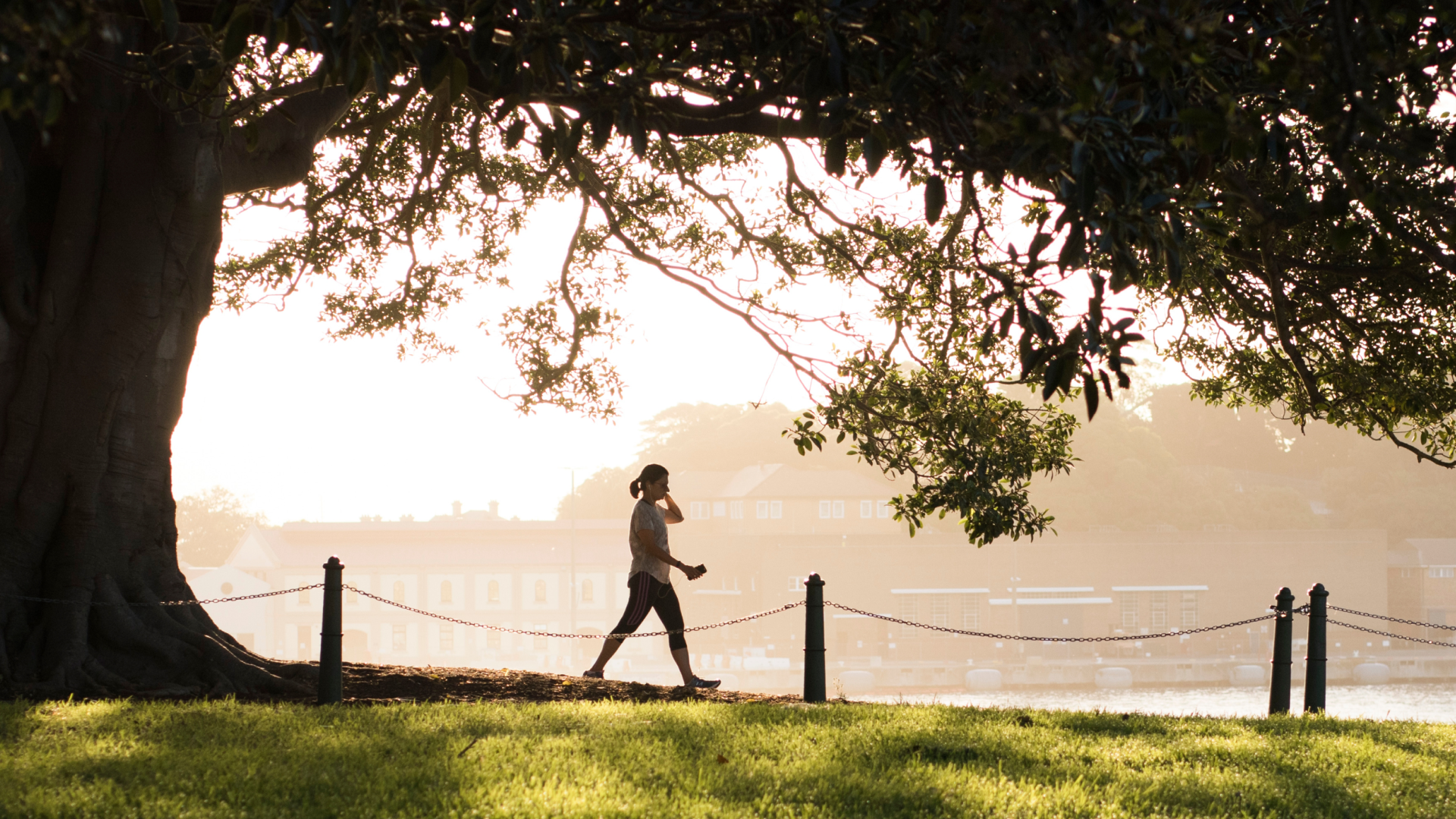
Taking a walk after a meal can make a significant difference in your glucose response, even if you’re experiencing insulin resistance. That’s because physical activity triggers muscle cells to clear glucose from your blood through a protein called GLUT4.
How GLUT4 Allows Insulin-Independent Glucose Clearance
Muscle activity triggers muscle cells to move a protein called GLUT4 to the cell surface.
GLUT4 allows cells to take up glucose from the blood without requiring insulin. When muscle cells are active, they use up a lot of glucose very quickly, so they need easy access to the glucose in the bloodstream.
Muscle cells keep the majority of their GLUT4 in storage most of the time, where it doesn’t have access to the bloodstream. This prevents the muscle cells from soaking up too much glucose when they’re at rest, which could make it difficult for other cells to get what they need. They only bring it to the surface when they’re active and need extra glucose.
GLUT4 allows the cell to take up glucose without requiring insulin. This makes it one of the few glucose-lowering mechanisms that works regardless of whether a person is experiencing insulin resistance.
Insulin actually does help to bring more GLUT4 transporters to the cell surface. Because of this, people with higher insulin sensitivity may experience a somewhat larger effect of physical activity on glucose levels, while those with severe insulin resistance may see a smaller effect.
Still, for people of any metabolic health status, physical activity remains one of the most effective ways to naturally lower blood sugar and enhance any prescribed treatment plan. Research has shown that taking a walk after a meal can reduce your glucose response by 15-30%.
Intensity and Duration
For glucose-lowering purposes, light to moderate activity is the most effective.
Vigorous or strenuous exercise triggers the release of stress hormones, such as cortisol and adrenaline, as well as growth hormone. These hormones create a state of insulin resistance throughout the body, which tends to raise glucose temporarily.
This doesn’t mean that you should never engage in vigorous exercise. Over time, this type of exercise causes changes in the body that help to improve glucose sensitivity. However, for the purposes of reducing the rise in glucose after a meal, vigorous exercise can actually be counterproductive. Instead, aim for light to moderate activity – between a stroll and a brisk walk, at a conversational pace
Timing is also important. It’s best to exercise between 15 and 60 minutes after finishing your meal. That’s because the peak in blood glucose occurs 30 to 60 minutes after eating, so this is when it’s most useful to have your muscles soaking up glucose from your bloodstream. Waiting too long to take your post-meal walk will result in missing this window, so the walk won’t be as effective in helping to control your blood sugar.
Standing vs Sitting
Although going for a walk is ideal, any activity after a meal is better than none. Simply standing instead of sitting after a meal will activate some GLUT4. Research has found that even a short period of standing after a meal has a small but measurable effect on blood sugar, compared with sitting down.
Any movement is better than none. It’s best to take at least a short walk after your meal, but if you’re not able to do this, try to stand as much as possible. For example, if you use a standing desk at work after lunch or stand to do the dishes after supper, this is better for your blood sugar than simply sitting down. As far as metabolic health is concerned, sitting or lying down after a meal is not ideal.
Resistance Training
Muscle tissue uses up a lot of energy, even at rest. Think of muscle like a “glucose sponge”. The more muscle tissue you have, the more muscle cells you’ll have available to soak up glucose, both at rest and during physical activity. Strength training helps to build more muscle tissue over time, which is beneficial for glucose control.
Studies have shown that doing 2 to 3 strength training sessions per week measurably improves insulin sensitivity. In the short term, insulin sensitivity can be improved for at least 24 hours after a single resistance training session.
If you’re not able to commit to a full 30-60 minute session any amount of resistance training is better than none. Even small actions in your daily life, such as carrying your groceries in a basket instead of using a trolley, can make a difference. Building muscle tissue is a long-term investment in your metabolic health.
What You Can Do Today
Taking a post-meal walk can make a significant difference in your body’s glucose response. If you build a habit of taking walks after meals, then this action will become automatic, instead of feeling effortful.
For example, you could create a habit of walking around the mall after lunch or taking the stairs back up to your office after eating. You could also choose to take a walk around the block with your family after supper. The more you build post-meal physical activity into your daily life, the better your post-meal glucose responses will be. Over time, this can make a significant difference in your health and well-being.