Not all grains are created equal
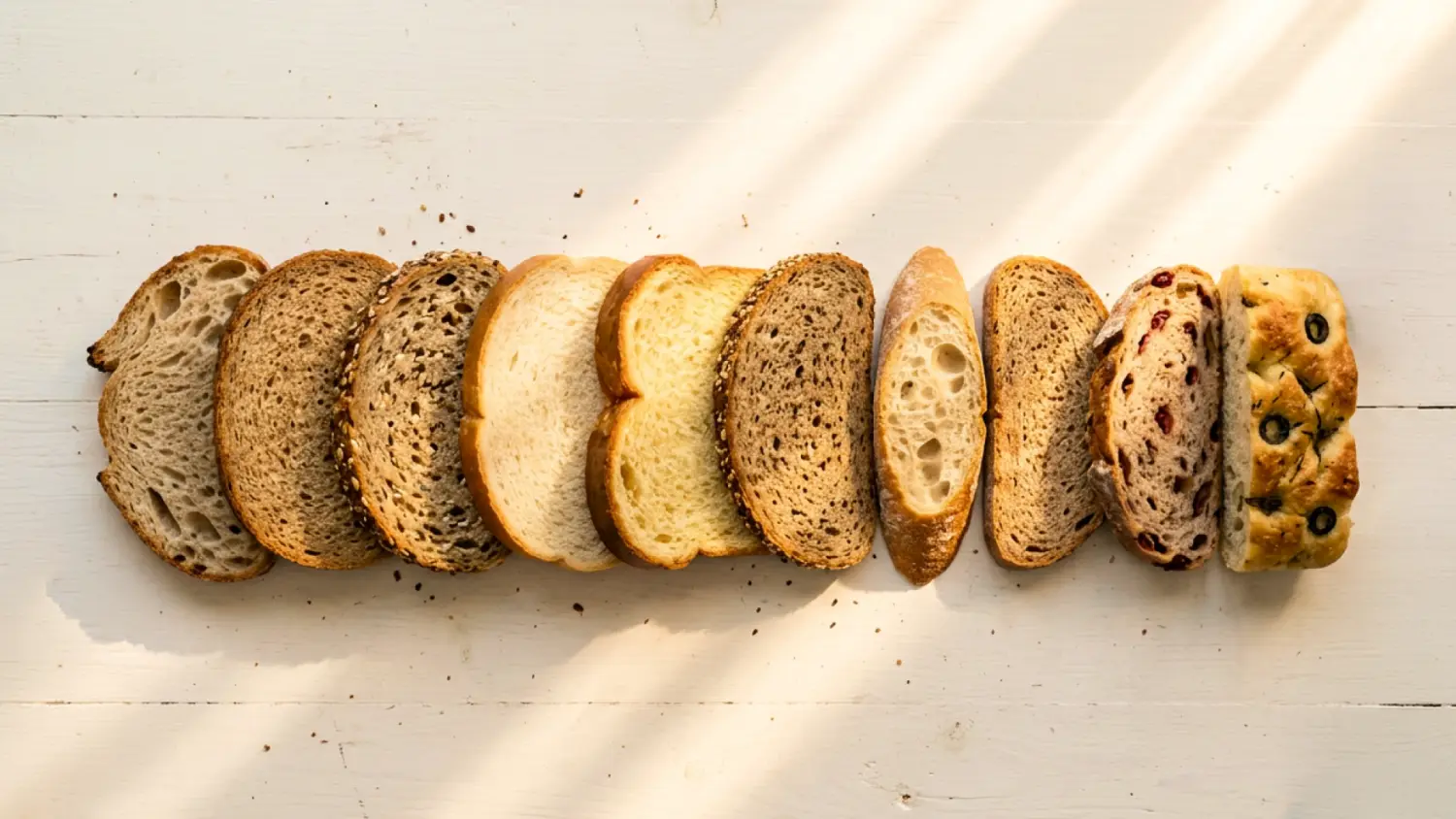
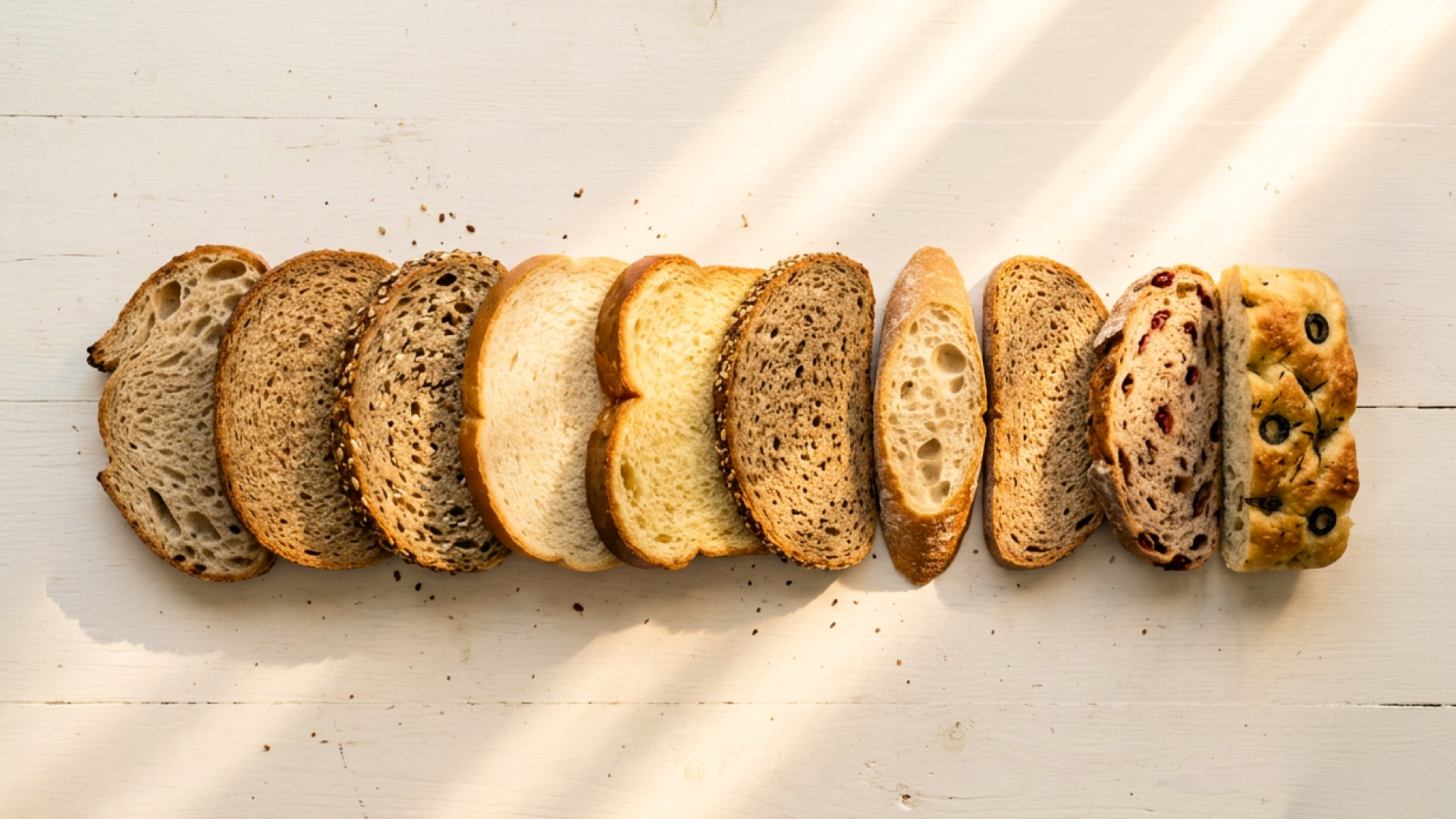
When it comes to glucose management, controlled portions of whole grains lead to a more gradual glucose rise compared to processed grains. That’s because whole grains have a fibrous outer layer called the bran, which acts like a protective cage around the starchy inner part of the grain, which is known as the endosperm. Because it takes time to break down this fibrous layer, the starch inside is released more slowly, so the resulting blood glucose rise is more gradual. By contrast, many processed grains contain only the starchy inner part , which is broken down into glucose very quickly. This results in a very high glycaemic index (GI), a measure of how quickly a food spikes blood sugar.
Whole grains also contain the germ, which is the part that’s capable of growing into a new plant. The germ contains a very high content of vitamins and minerals. Many processed grains lack the germ along with the bran, which reduces its micronutrient and fibre content
If you’re seeking to include more whole grains in your diet, it’s important to be careful when reading labels. Some food products can be packaged in a way that makes them seem like whole grain options, even when they are highly processed. This means they may not have the same benefits as true whole grains and could raise your blood sugar more quickly than expected.
The “Whole Wheat” Lie
In order to be labeled “wholegrain,” a product must contain all three of the normal layers of the grain: the endosperm, germ, and bran.
Unfortunately, the label “wholegrain” is not well-regulated, and a product with this label doesn’t necessarily have to be made entirely from whole grains. Some manufacturers make a product with cheaper white flour, and then add a small amount of bran and germ back into the product. They can then label the product “whole grain,” even though it mainly consists of processed grain. A product like this is likely to cause a large glucose spike.
Even if a product is labeled “whole wheat” or “whole grain” on the front of the box, it’s important to look at the details of the label to be sure that what you’re getting is really made with whole grains. Look for products that are labeled “100% whole grain,” or that list wholegrain ingredients as the first item on the ingredient list. This lets you know that it primarily consists of whole grain ingredients
The Puffing and Extrusion Problem
How a product is processed also has a huge impact on the glucose response it creates.
When high-heat, high-pressure processes are used, this destroys the starch structure of the grain completely. The resulting products have been found to spike glucose even faster than table sugar. Examples include rice crackers, puffed cereals, and extruded snacks (those that are crunchy but light and airy, such as cheese puffs). Metabolically, these are essentially sugary treats, although they’re often disguised as “healthy” snacks.
The more a grain has been puffed, popped, or flaked, the faster it will spike your glucose – even if it’s a wholegrain.
The Sourdough Edge
Some studies have shown that products made from fermented dough, commonly known as “sourdough,” may have a lower GI than other types of grain products.
During the fermentation process, bacteria change the structure of the starch in the dough, along with how that starch interacts with proteins in the food. These changes make the starch harder for the body to digest. This means that the glucose from the starch enters the bloodstream more slowly, rather than being dumped in all at once.
Bacteria also produce compounds like lactic acid and acetic acid, which give sourdough its characteristic tangy flavour. These acids slow down the process of starch digestion, and slow down the rate of emptying of the stomach.
The research is mixed on the effects of sourdough on glucose levels. About half of all studies have found that sourdough has a lower GI compared with non-fermented dough, while the other half have found that there’s no difference. We will need more research to be sure how effective sourdough actually is.
If you’d like to try sourdough to see how it affects your glucose levels, there are a few things to keep in mind. Some breads labeled “sourdough” are actually regular bread with a bit of flavoring to give them a tangy sourdough-like taste. Make sure you’re choosing a genuine sourdough bread, which has been fermented properly.
Most importantly, it’s still important to choose sourdough products that are made with whole grain flour rather than refined white flour.
Ancient and Heritage Grains
Ancient and heritage grains tend to have higher protein and fiber content, more vitamins and minerals, as compared to modern refined grains. These properties can make these types of grains less likely to spike glucose. Examples of ancient and heritage grains include spelt, einkorn, freekeh, millet, teff, and buckwheat.
These types of grains tend to be a little more challenging to find than modern wheat. However, their availability in the APAC region has been growing, particularly in health food stores. If you’re not able to find products made with these grains in your regular supermarket, try looking for them in specialty health food stores.
Applying the Glycaemic Index
The glycaemic index (GI) of a food is a measure of how quickly it spikes your blood glucose. For example, different types of rice can be ranked on a spectrum of GI:
- Sticky (glutinous) rice (highest GI)
- White Jasmine rice
- White Basmati rice
- Brown rice
- Black wild rice (lowest GI)
GI shows how quickly a food can raise blood sugar, but it doesn’t consider how much you eat. This is where glycaemic load (GL) comes in. GL takes portion size into account, so it gives a more realistic picture of the actual impact on your blood sugar. It also matters what you eat the food with. Adding protein, fat, or fibre can slow digestion and reduce spikes. So instead of focusing only on GI, it’s better to think about the overall meal and portion size, which gives a more accurate and practical view of blood sugar control.