Takeaways
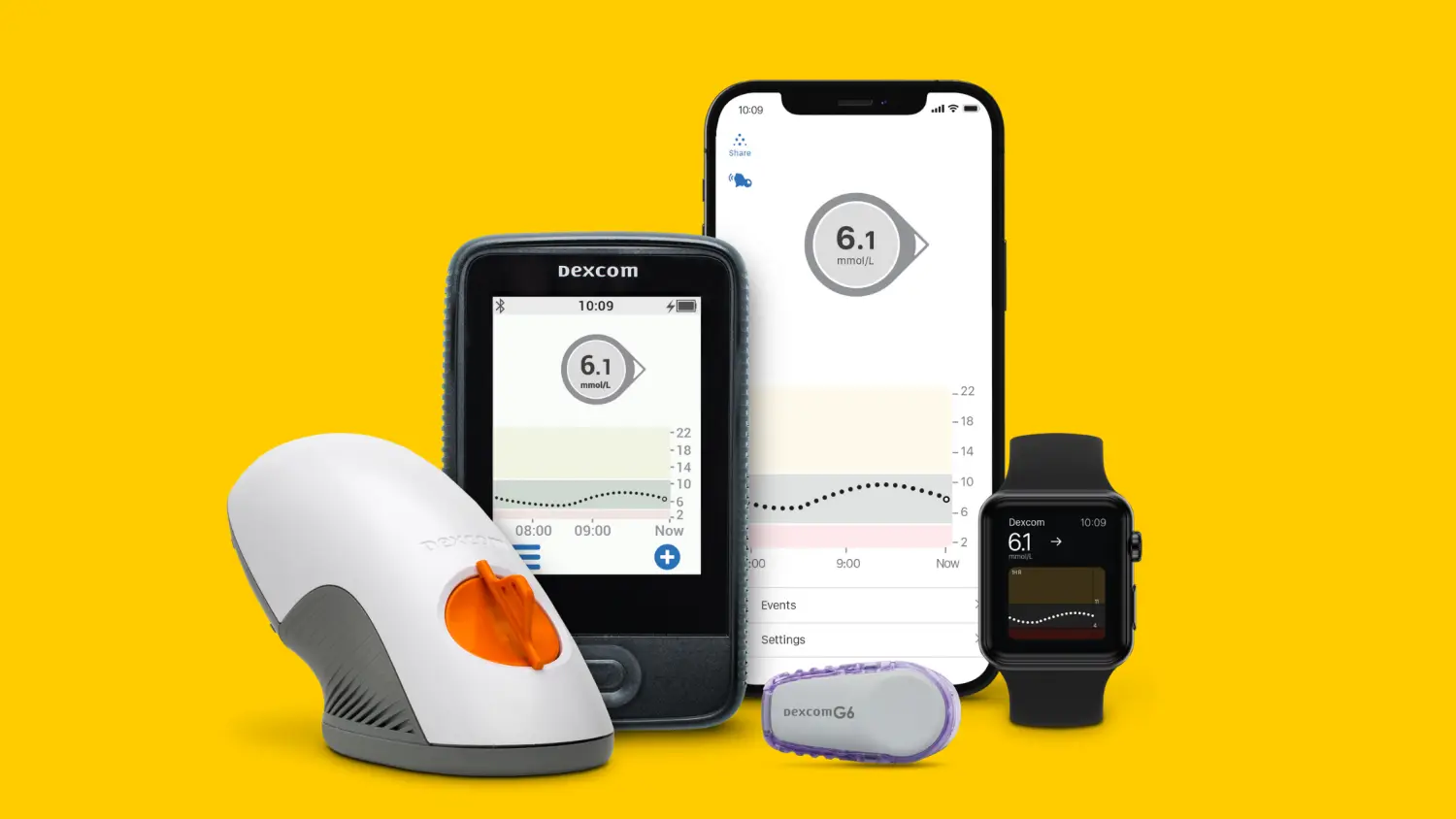
- The Dexcom G7 is a continuous glucose monitoring (CGM) system that provides real-time glucose readings without routine finger-prick calibration.
- It is designed for use by people with diabetes and may also be used by individuals without diabetes to observe glucose trends.
- The Dexcom G7 provides glucose readings every 5 minutes and includes alert features that notify users of glucose values outside pre-set ranges.
- Glucose data from the Dexcom G7 can be reviewed over time to support discussions with healthcare professionals.
Continuous glucose monitoring allows individuals to observe glucose levels throughout the day without relying on frequent finger-prick tests. CGMs are used in clinical settings and in everyday life to provide information on glucose patterns over time.
For individuals with diabetes, CGM data may assist healthcare professionals in assessing glucose trends and making treatment decisions. For individuals without diabetes, glucose data may offer insight into how diet, physical activity, sleep, and stress affect glucose levels.
This article provides an overview of the Dexcom G7, including how it works, how it is used, and factors to consider when deciding whether it may be suitable for you.
Recommended Reading: Benefits of Using a CGM.
What is the Dexcom G7?
What Is the Dexcom G7?
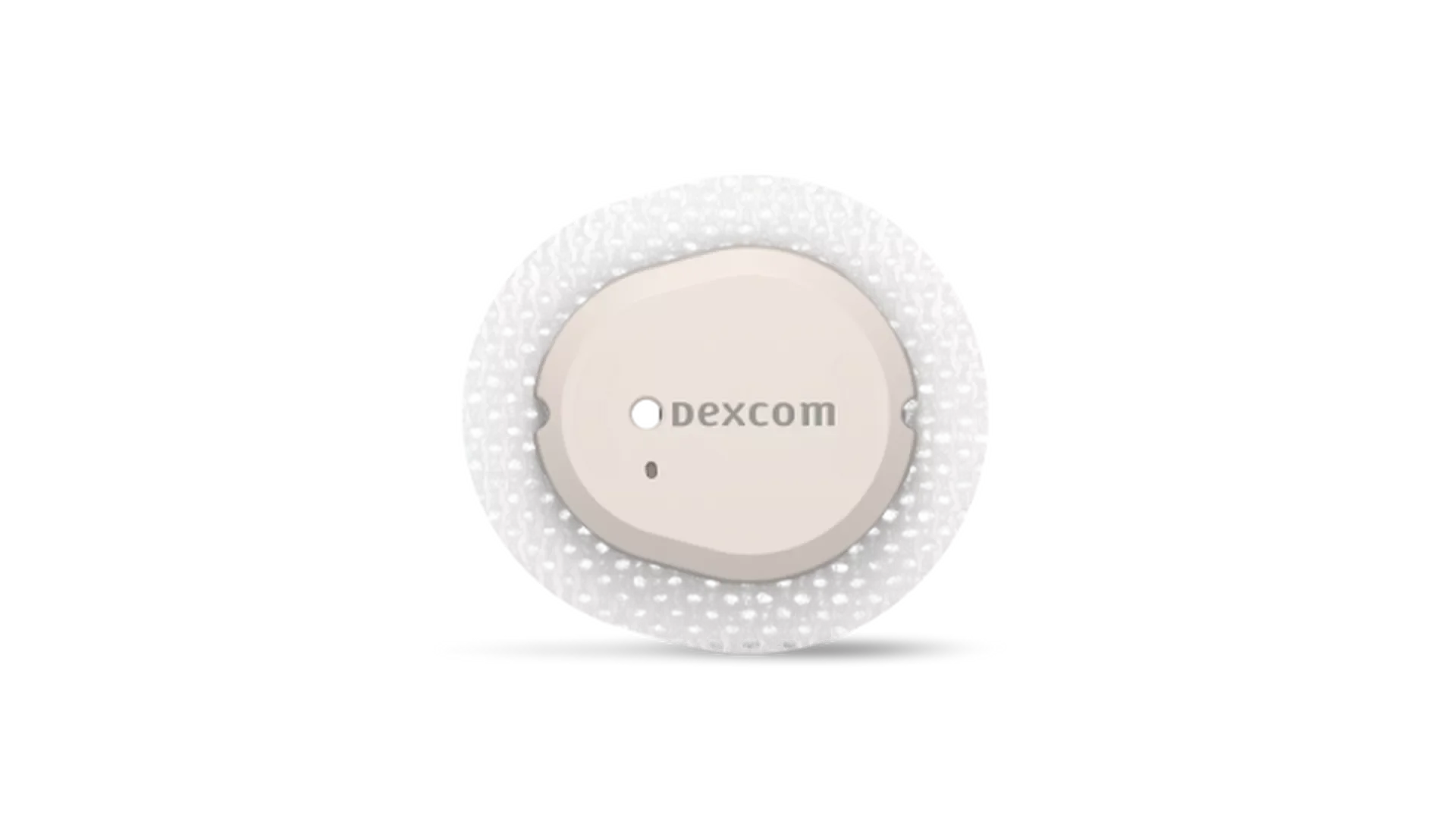
The Dexcom G7 is a continuous glucose monitoring system developed by DexCom, Inc. It is designed to measure glucose levels in interstitial fluid through a wearable sensor.
The system consists of a single-use, all-in-one sensor that combines the sensor and transmitter into one unit. Glucose readings are transmitted wirelessly to a compatible smart device.
The Dexcom G7 is intended for use according to local regulatory approval and healthcare guidance.
Not sure if your device is compatible with the Dexcom G7? Click here to find out.
Users can review glucose data and share reports with healthcare professionals via Dexcom CLARITY, a web-based data management platform.
How Does the Dexcom G7 Work?
The Dexcom G7 system includes the following components:
Sensor
- Worn on the body and inserted just beneath the skin
- Measures glucose levels in interstitial fluid
- Requires a warm-up period before readings become available
Data transmission
- Glucose readings are sent via Bluetooth to the Dexcom G7 app at regular intervals
- Readings are displayed as current values and trend information
Dexcom CLARITY
- Allows users and healthcare professionals to review historical glucose data
- Supports analysis of glucose patterns over time
How to Use the Dexcom G7
Step 1: Apply the sensor
- Clean hands and prepare the insertion site
- Apply the sensor according to the manufacturer’s instructions
- Dispose of applicator after use
Step 2: Set up the app
- Download the Dexcom G7 app
- Enable Bluetooth and notifications
- Enter or scan the sensor code
- Follow on-screen instructions to complete setup
Step 3: Monitor glucose data
- After the warm-up period, glucose readings will appear in the app
- Users may view current glucose levels, trends, and historical data
Each sensor is designed to be worn for up to 10 days, in line with manufacturer guidance.
Features of the Dexcom G7
The Dexcom G7 includes the following features:
- Factory calibration, which means routine finger-prick calibration is not required under normal use
- Glucose alerts, including notifications when readings fall above or below user-defined thresholds
- Trend indicators, showing whether glucose levels are rising, falling, or stable
- Data sharing options, allowing reports to be reviewed with healthcare professionals
This video demonstrates how to apply the Dexcom G7 sensor.
Accuracy Considerations
CGM accuracy is commonly assessed using mean absolute relative difference (MARD), a statistical measure comparing CGM readings to reference glucose measurements. Lower MARD values indicate closer agreement with reference measurements.
The Dexcom G7 has undergone clinical evaluation to assess its performance under various conditions. As with all CGMs, readings may differ from capillary blood glucose measurements, particularly during periods of rapid glucose change.
Users are advised to follow manufacturer instructions and consult healthcare professionals when interpreting CGM data or making clinical decisions.
You may want to learn more about Diabetes Care, a comprehensive program that helps you take control of diabetes through the use of a continuous glucose sensor.
Is the Dexcom G7 Right for You?
The Dexcom G7 may be considered by individuals who:
- Have diabetes and are monitoring glucose levels as part of clinical care
- Have prediabetes or insulin resistance and are tracking glucose trends
- Are interested in observing how lifestyle factors influence glucose levels
Find out which CGM is right for you.
Where can I get the Dexcom G7 in Singapore?
The Dexcom G7 is only available through healthcare providers & on their official online stores.
Dexcom G7 is now available at the NOVI Shop. 👇
CGM data is generally most useful when interpreted in collaboration with a healthcare professional, particularly when used to guide medical or lifestyle decisions.
At NOVI, continuous glucose monitoring may be used as part of a broader clinical assessment, alongside medical review and personalized guidance.
This publication does not constitute an advertisement, and is intended solely for educational purposes. Please seek professional medical advice as to whether a health product would be appropriate for you.